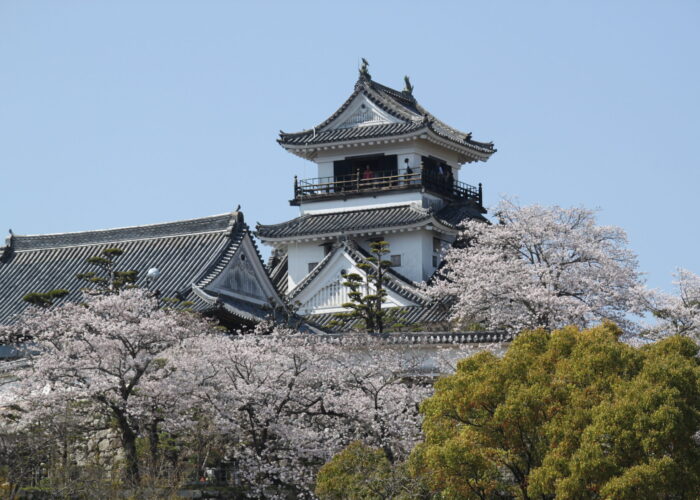
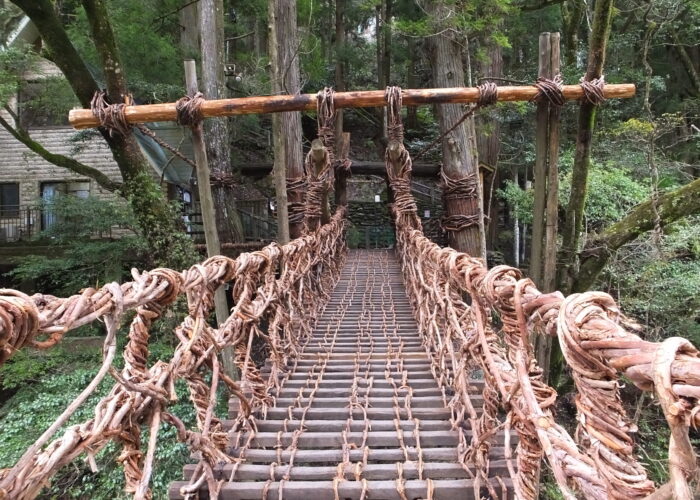
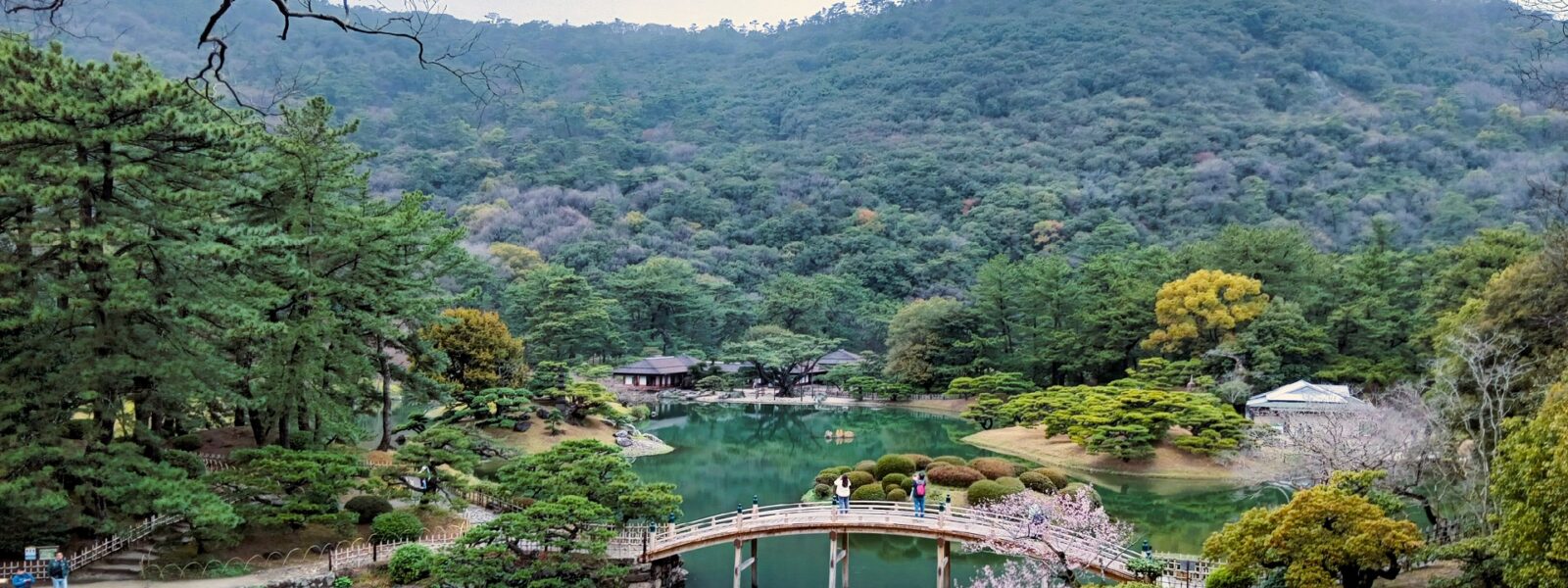
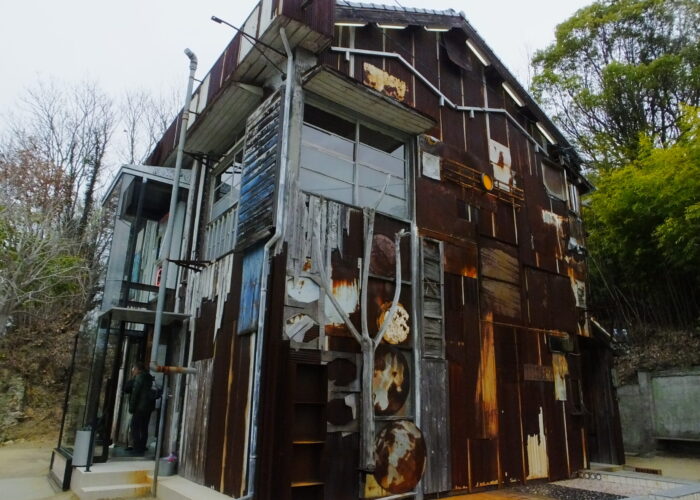
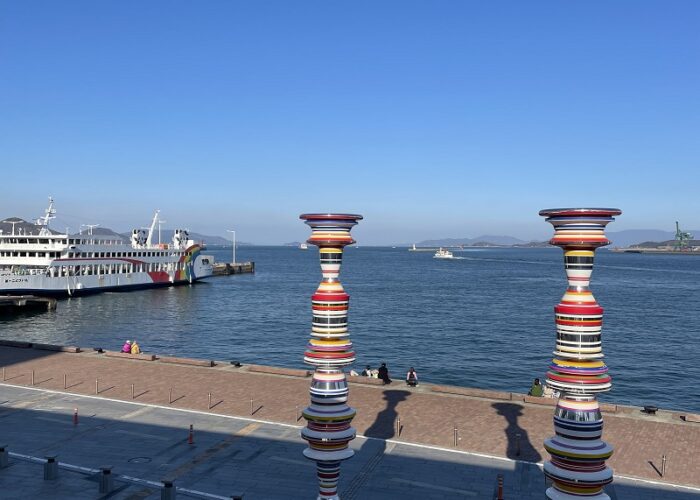
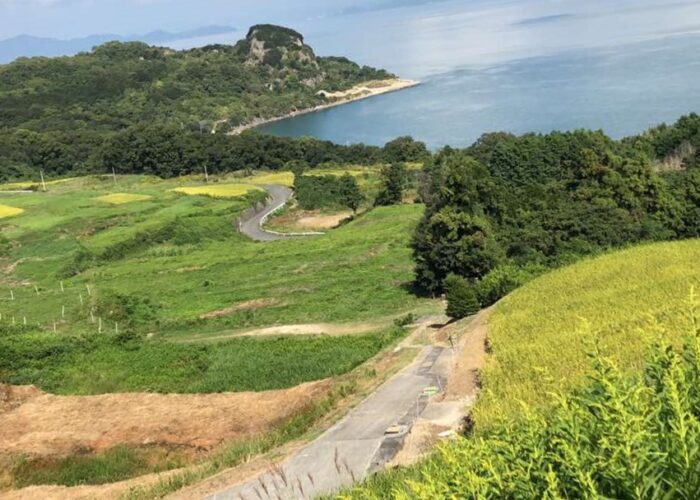
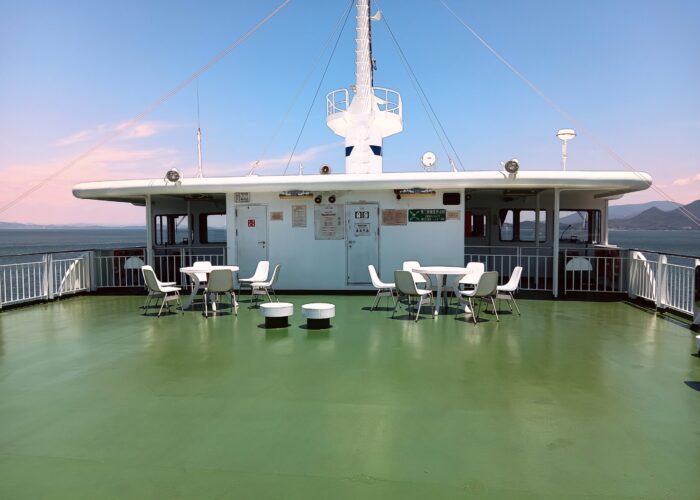
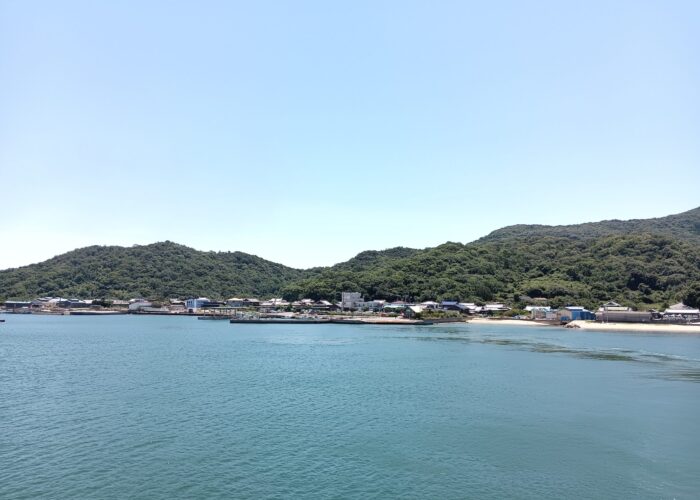
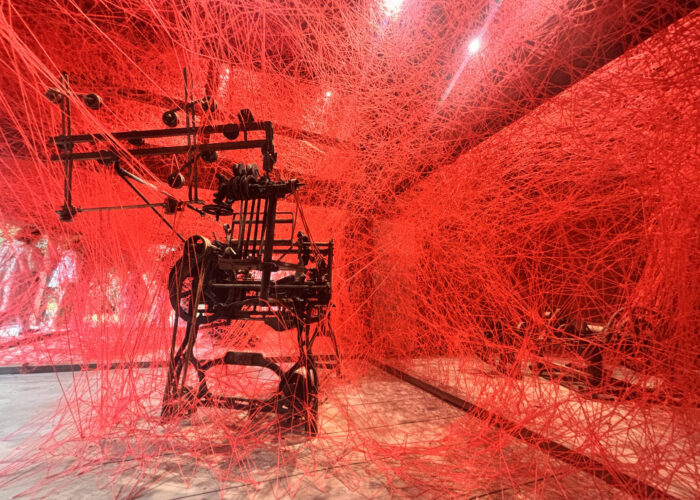
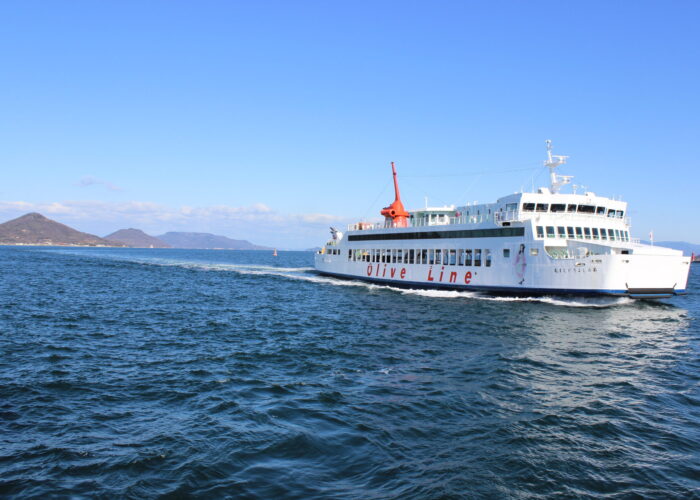
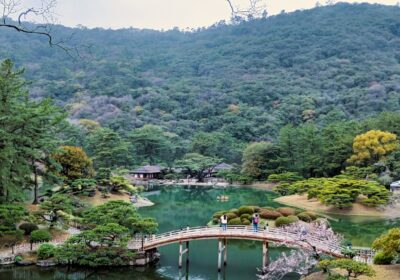
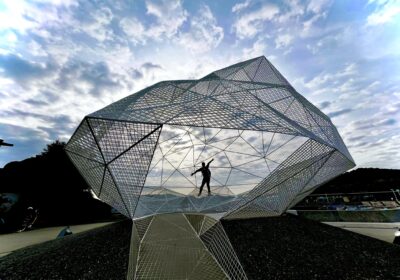
Kagawa Prefecture, the smallest of Japan's prefectures, packs an outsized punch when it comes to culture, cuisine, and coastal beauty. Nestled on the northeastern edge of Shikoku Island, this compact region offers visitors an authentic slice of Japanese life away from the tourist-heavy circuits. Before you go, understanding a few key aspects will help you make the most of your journey.
Our guides are carefully selected based on their experiences and expertise in specific areas and themes. Each guide specializes in particular regions and topics, allowing us to match you with the perfect guide for your interests. Whether you're passionate about art, cuisine, history, or outdoor activities, we assign guides whose knowledge and specialties align with the places you want to visit and the experiences you want to have. This personalized approach ensures you receive insider insights and authentic perspectives tailored to your unique journey through Kagawa.
Are there any age restrictions for the tour?
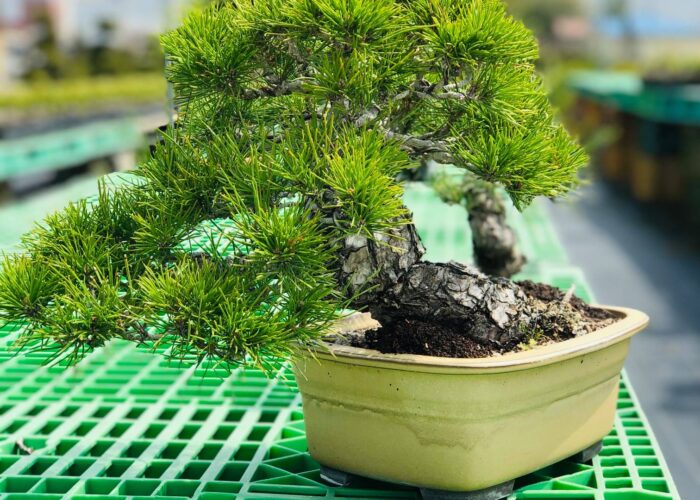
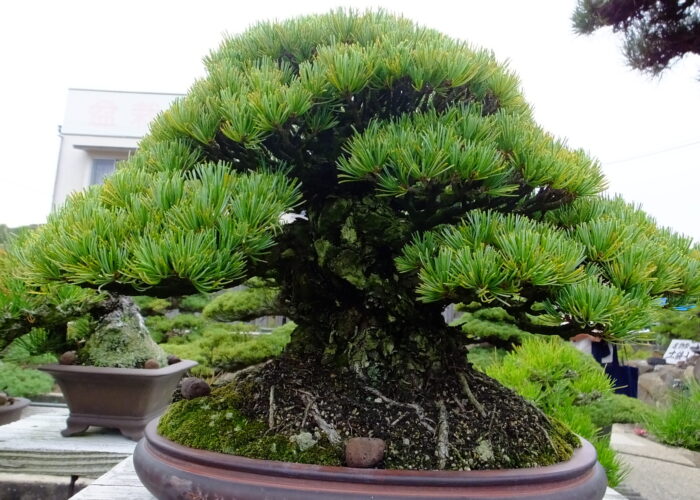
Age requirements vary depending on the theme and activities involved in each tour. For tours involving potentially hazardous materials or tools—such as lacquerware workshops or bonsai experiences where scissors are used—the minimum age is 12 years old. For most other tours, we generally accept children aged 6 and above. Children younger than 6 may participate if accompanied by their parents, subject to the specific tour's requirements. These age guidelines ensure the safety of all participants while allowing families to enjoy appropriate experiences together. If you have questions about whether a particular tour is suitable for your child, please contact us for specific guidance.
Do I need to tip my guide?
Don't tip—it's actually considered rude. Japan has no tipping culture, and offering tips can confuse or even offend service workers. Excellent service is simply the standard expectation, already reflected in prices. Why no tipping? Japanese culture views good service as a matter of professional pride and respect, not something requiring extra payment. Workers take satisfaction in doing their job well, and tips can be seen as implying their regular wages are insufficient or that you're trying to create an awkward obligation. What happens if you try to tip? In most cases, staff will politely refuse or even chase after you to return the money, thinking you've made a mistake. At hotels, leaving money on the pillow will likely result in it being returned to you at checkout. The rare exceptions: Ryokan (traditional inns): Some high-end ryokan accept small gratuities for exceptional personal service, typically placed in an envelope (noshibukuro) and given discreetly at the beginning of your stay—but this is increasingly uncommon and entirely optional. Tour guides: Private guides or drivers for multi-day tours sometimes accept tips, especially those accustomed to international clients, but it's still not expected. How to show appreciation instead: A sincere "arigatou gozaimashita" (thank you very much) is the best way to express gratitude. For exceptional service, you might write a positive review or return as a customer. Service charges: Some upscale restaurants and hotels include a 10-15% service charge in the bill. This is not a tip—it's part of the pricing structure. No additional payment is expected. The bottom line: Keep your wallet closed after paying the bill. Your money won't buy better service in Japan—respectful behavior and genuine thanks are far more valued.
What should I do If I feel unsafe during my tour?
Japan is statistically one of the safest countries in the world, but it's still important to know what to do if you ever feel uncomfortable or unsafe. Contact your guide immediately. If you're on a guided tour, your guide is your first point of contact. They know the local area, speak the language, and can quickly assess and address the situation. Don't hesitate to speak up—your safety is their priority. Call emergency services if needed. Police: Dial 110 Ambulance/Fire: Dial 119 Both services have some English support, though it may be limited. Stay calm and speak clearly. Find a koban (police box). These small police stations are everywhere in Japan, especially near train stations and busy areas. Police officers are generally helpful, and many kobans have translation devices or access to interpreters. Go to a safe public place. If you feel threatened, head to a convenience store (konbini like 7-Eleven, Lawson, Family Mart), hotel lobby, train station, or any busy, well-lit area. Staff at these locations can help call police or provide assistance. Contact your accommodation. Hotel staff can provide immediate help, translation assistance, or contact authorities on your behalf. Use your phone. Make sure you have your tour operator's emergency contact number saved. If traveling with our company, we provide 24/7 emergency support for all clients. Trust your instincts. If something feels wrong, remove yourself from the situation. Japanese culture values politeness, but your safety always comes first—don't worry about appearing rude. Know that help is available. Japan has a strong culture of helping people in distress. If you approach someone for help, most people will do their best to assist, even with language barriers.
What is the cancellation policy?
We understand that travel plans can change. To help you understand our cancellation terms, please review the policy below based on your group size. For Groups of Up to 5 Participants Cancellation Date Cancellation Fee (% of Original Price) 20 days or more before the tour 20% 7-19 days before the tour 30% 1 day before the tour 40% On the day of the tour 50% After the tour starts or no-show 100% For Groups of More Than 5 Participants Cancellation Date Cancellation Fee (% of Original Price) 30 days or more before the tour 20% 15-29 days before the tour 30% 7-14 days before the tour 40% 1 day before the tour 50% On the day of the tour 100% After the tour starts or no-show 100% Important Notes Cancellation notice must be received in writing via email to be valid. "No-show" refers to failure to participate without prior notification and results in a 100% cancellation fee with no refund. Cancellation fees are calculated as a percentage of the total tour price. Refunds will be processed within 14 business days of receiving your cancellation notice. We strongly recommend travel insurance to protect against unexpected cancellations due to illness, emergencies, or other unforeseen circumstances. How to Cancel To cancel your tour, please contact us as soon as possible at [your contact email/phone]. Include your booking reference number and reason for cancellation in your notice. If you have any questions about this policy, please don't hesitate to reach out to our team.
Can I change the travel date?
If you need to reschedule rather than cancel, please email one of our representatives as soon as possible. We'll do our best to accommodate your new preferred dates, subject to availability. Date changes may be possible without incurring cancellation fees, depending on timing and availability. Important Notes Cancellation notice must be received in writing via email to be valid. "No-show" refers to failure to participate without prior notification and results in a 100% cancellation fee with no refund. Cancellation fees are calculated as a percentage of the total tour price. Refunds will be processed within 14 business days of receiving your cancellation notice. We strongly recommend travel insurance to protect against unexpected cancellations due to illness, emergencies, or other unforeseen circumstances. How to Cancel or Reschedule To cancel or change your tour dates, please contact us as soon as possible at [your contact email/phone]. Include your booking reference number and reason for cancellation or your preferred new dates in your notice. If you have any questions about this policy, please don't hesitate to reach out to our team.