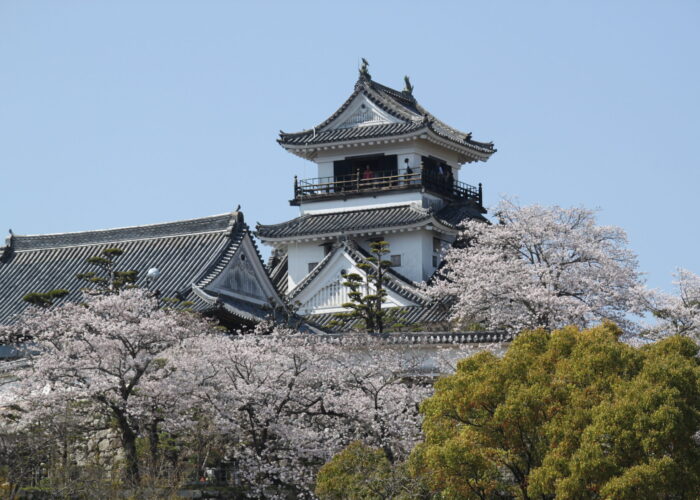
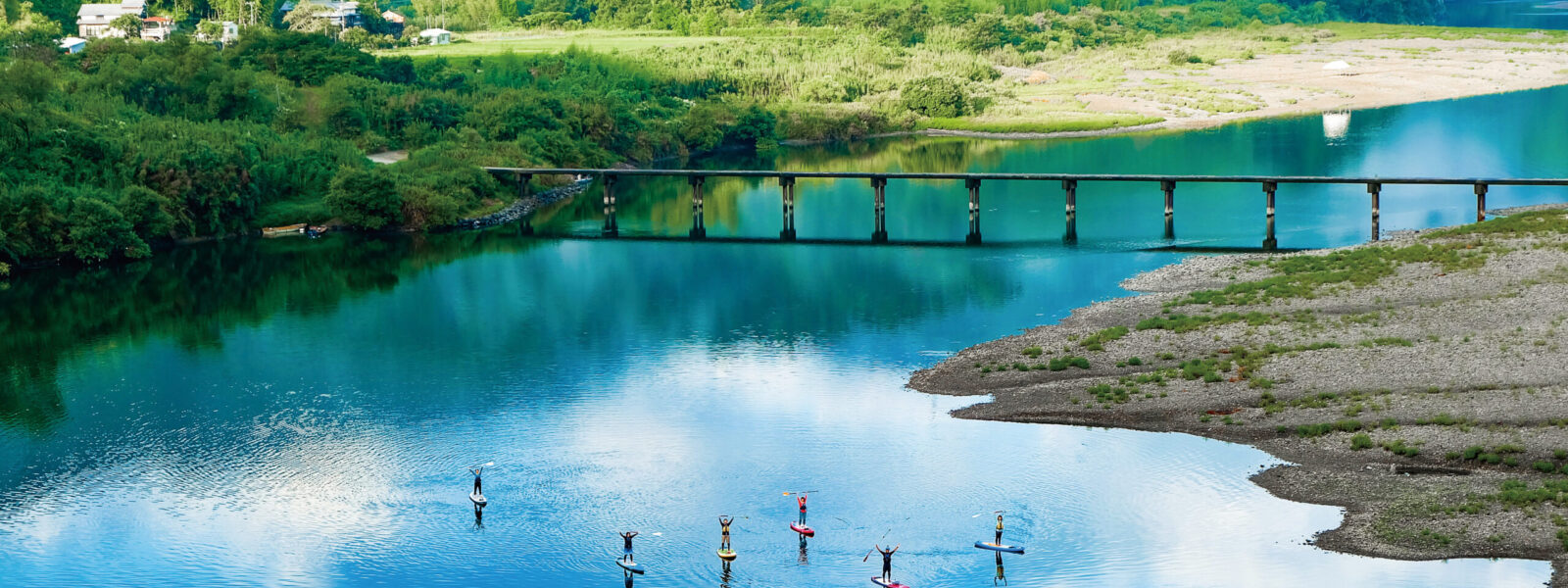
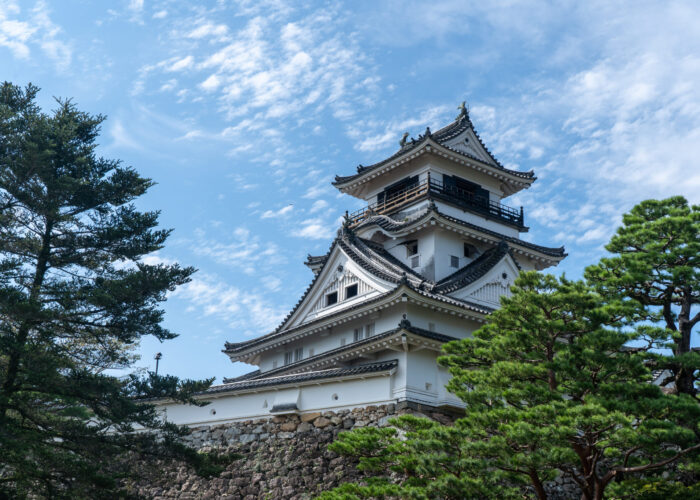
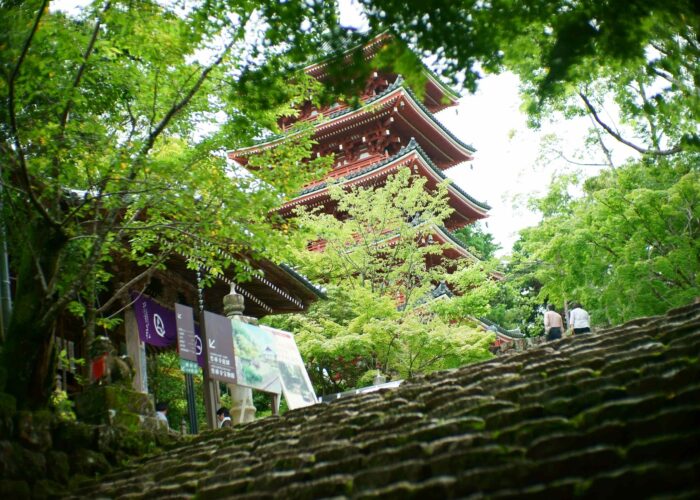
Kochi Prefecture occupies the southern coast of Shikoku, facing the Pacific Ocean. The prefecture is known for its warm climate, dramatic coastline, and lush natural environment, with over 80% of its land covered in forests. Its capital, Kochi City, is home to the well-preserved Kochi Castle, one of Japan's twelve original castles, and hosts the vibrant Yosakoi Festival every August, featuring energetic dance performances. Kochi is the birthplace of Sakamoto Ryōma, one of the most influential figures in Japan's modernization during the Meiji Restoration, and you'll find numerous sites dedicated to his legacy. The prefecture is famous for its bonito (katsuo) and the local dish katsuo no tataki (seared bonito). Kochi contains 16 temples (Temples No. 24-39) on the Shikoku Ohenro pilgrimage route. The rugged Shimanto River, often called Japan's last clear stream, flows through pristine countryside, while Cape Muroto and Cape Ashizuri offer spectacular coastal scenery. Kochi combines natural beauty, historical significance, and distinctive local culture with a relaxed, warm atmosphere.
Kochi Prefecture is located on the southern part of Shikoku island, Japan's smallest main island. It occupies the entire Pacific Ocean side of Shikoku, stretching along the southern coast. Geographically, it's positioned south of Ehime Prefecture (to the west) and Tokushima Prefecture (to the east). The prefecture has a long, curved coastline facing the Pacific Ocean to the south, while mountains and forests dominate its northern interior regions. Kochi is the largest prefecture on Shikoku by land area, though much of it is mountainous and sparsely populated, with most of the population concentrated in Kochi City and along the coastal plains.
Why should I travel to Kochi Prefecture?
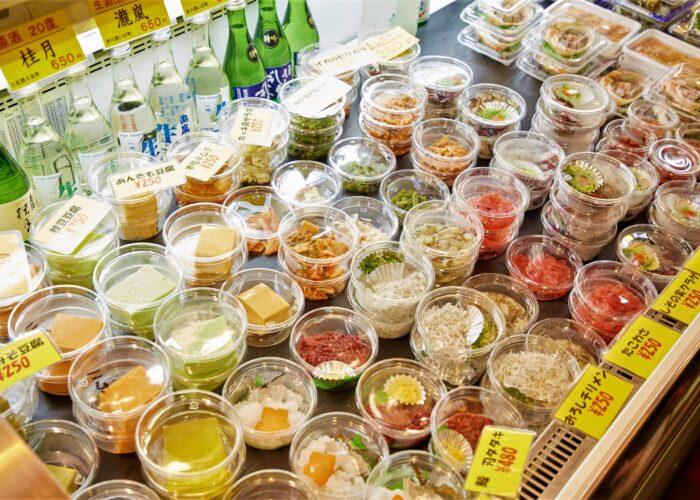
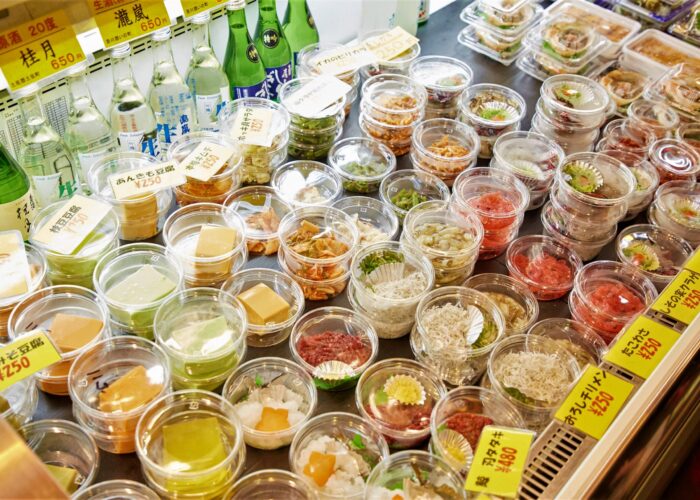
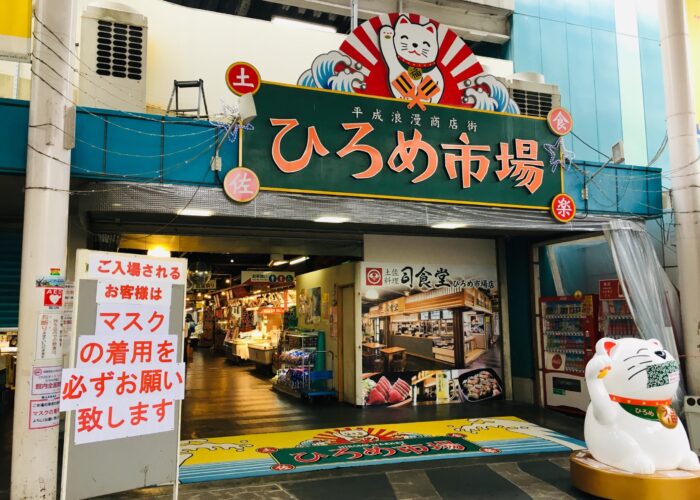
Unspoiled Natural Beauty: Kochi offers some of Japan's most pristine nature. The Shimanto River flows through stunning countryside without concrete embankments, providing opportunities for canoeing, fishing, and riverside cycling. The dramatic coastlines at Cape Muroto and Cape Ashizuri feature rugged cliffs, crashing Pacific waves, and breathtaking ocean views that feel far removed from urban Japan. Authentic Local Culture: Kochi has a more laid-back, unpretentious atmosphere compared to more touristy areas. The locals are known for their warmth and love of good food and drink. The Yosakoi Festival showcases incredible energy and community spirit, while the Sunday Street Market in Kochi City, running for over 300 years, offers genuine local interaction and fresh produce. Exceptional Food: Kochi is a paradise for food lovers. The katsuo no tataki (lightly seared bonito) is legendary, best enjoyed with local citrus and salt. You'll find incredibly fresh seafood, yuzu citrus products, and unique local sake. The drinking culture here is robust and welcoming. Historical Significance: Walk in the footsteps of Sakamoto Ryōma, one of Japan's most beloved historical figures who helped shape modern Japan. Kochi Castle and various museums bring this fascinating period to life. Off-the-Beaten-Path Adventure: Kochi sees fewer international tourists than other regions, offering a more authentic Japanese experience. Whether you're cycling rural roads, surfing Pacific waves, or exploring mountain villages, you'll discover a side of Japan many visitors miss. It's perfect if you're seeking natural beauty, genuine cultural experiences, and excellent food in a relaxed setting.
What’s the best time to visit Kochi Prefecture?
The best time to visit Kochi Prefecture depends on your interests: Spring (March-May) is excellent, with mild temperatures perfect for outdoor activities like cycling along the Shimanto River or exploring the coastline. Cherry blossoms bloom in late March to early April. The weather is generally pleasant, though April can bring some rain. Summer (June-September) has mixed considerations. June is the rainy season with heavy precipitation. However, July and August are ideal for beach activities, surfing, and enjoying the Pacific coast, despite the heat and humidity. The Yosakoi Festival in early August (around August 9-12) is a major highlight if you can handle the summer weather. Be aware that typhoon season runs from August through October, with September being peak season. Autumn (October-November) is one of the best times to visit. The weather is comfortable and stable, perfect for sightseeing, hiking, and river activities. Fall foliage appears in the mountains, and the seafood remains excellent. Typhoon risk decreases by late October. Winter (December-February) is surprisingly mild in Kochi thanks to the warm Kuroshio Current. While cooler, it rarely gets very cold, making it comfortable for castle visits and coastal exploration. This is prime season for bonito fishing and enjoying katsuo no tataki. Winter is less crowded with tourists. For most visitors, spring (April-May) and autumn (October-November) offer the best combination of weather, activities, and comfortable conditions. However, if you want to experience the Yosakoi Festival, brave the August heat—it's truly spectacular.