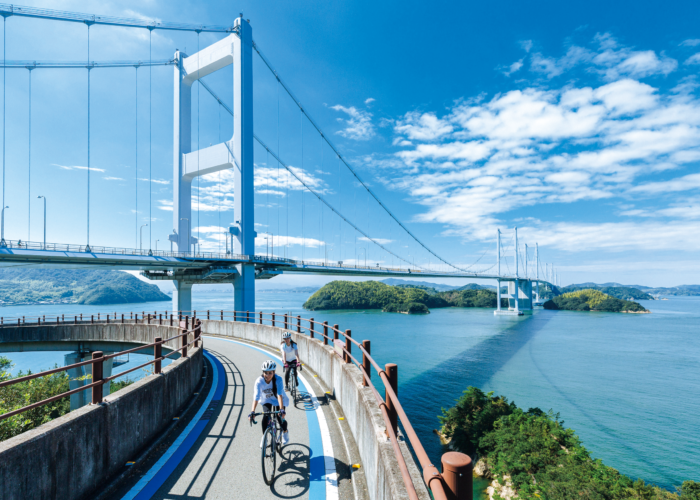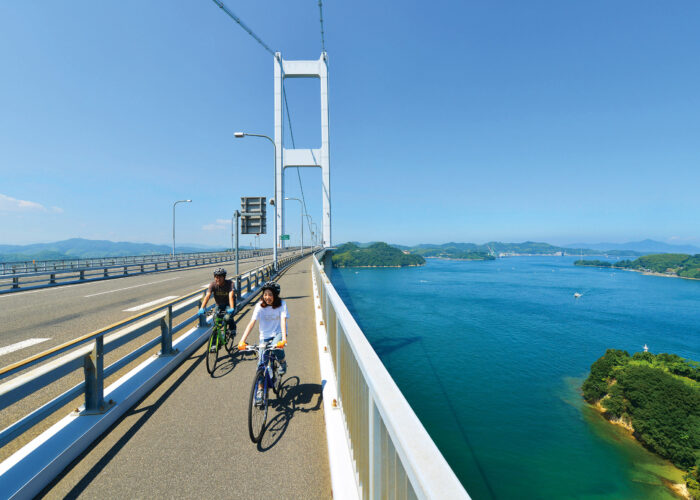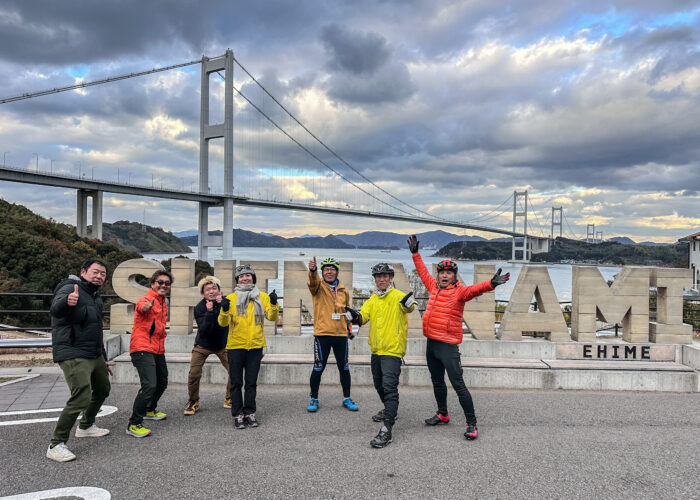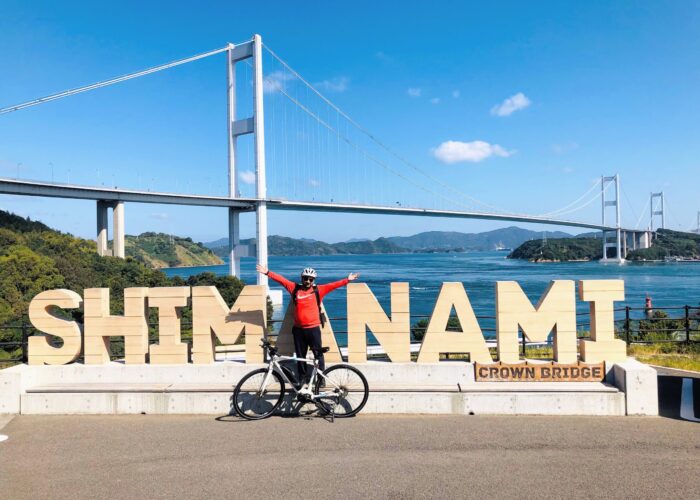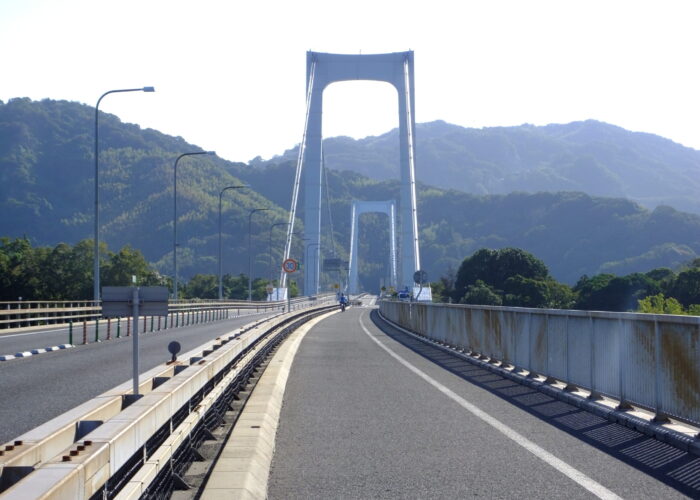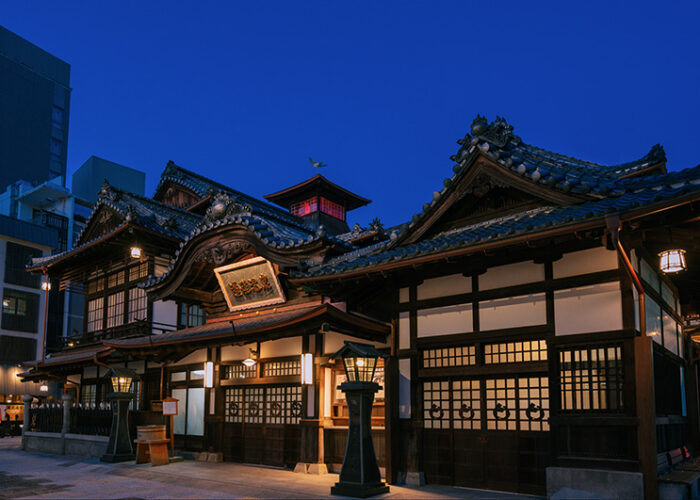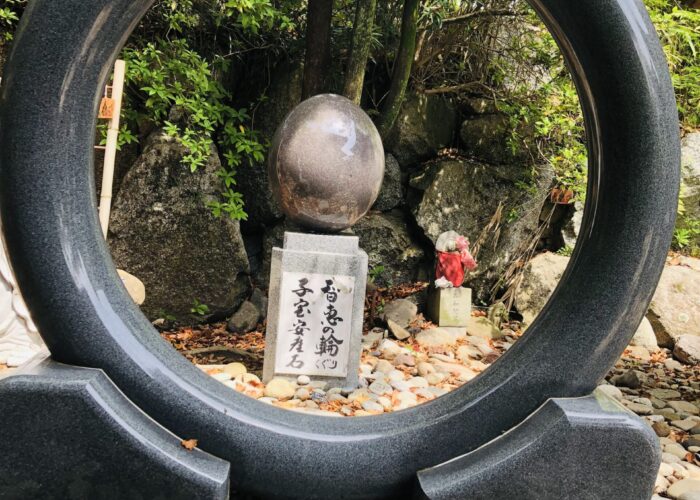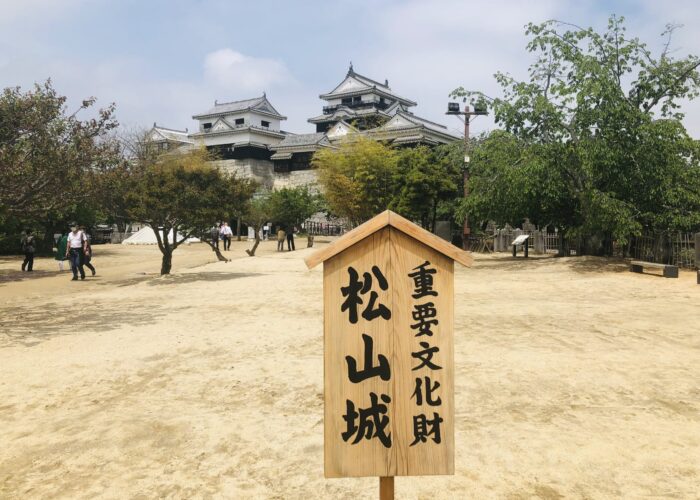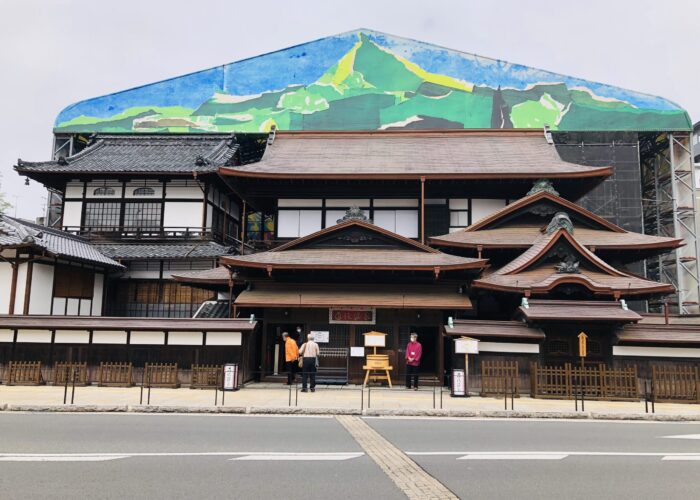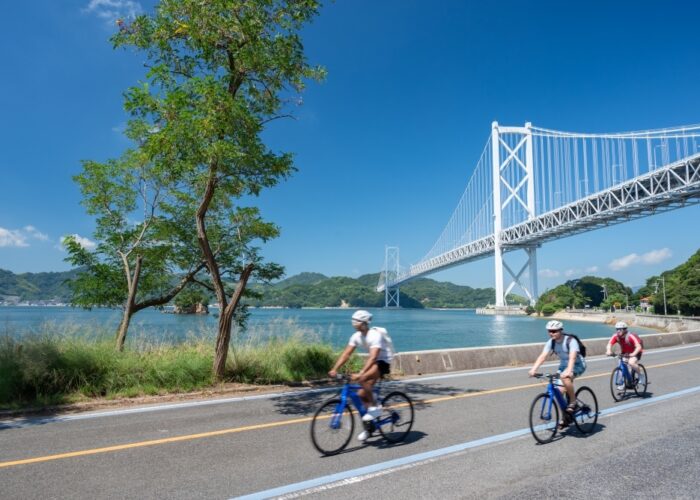
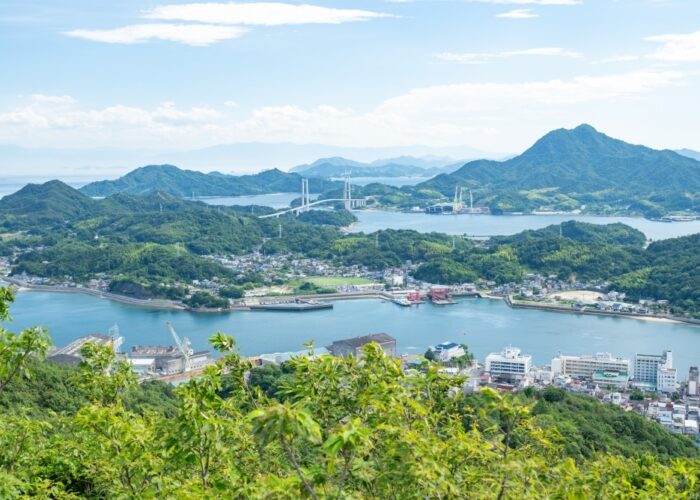
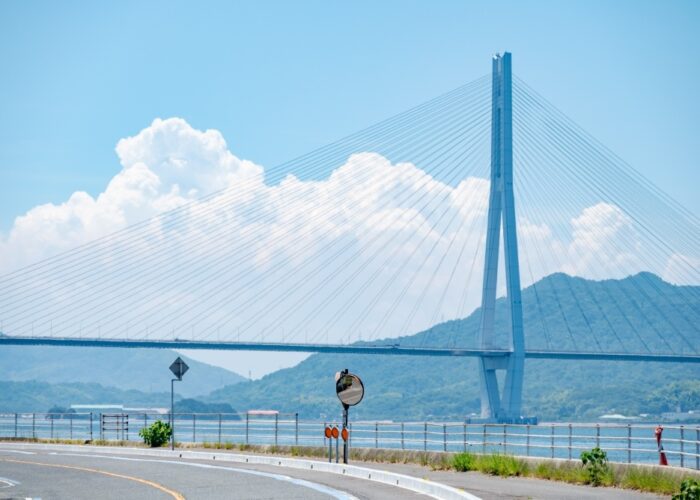
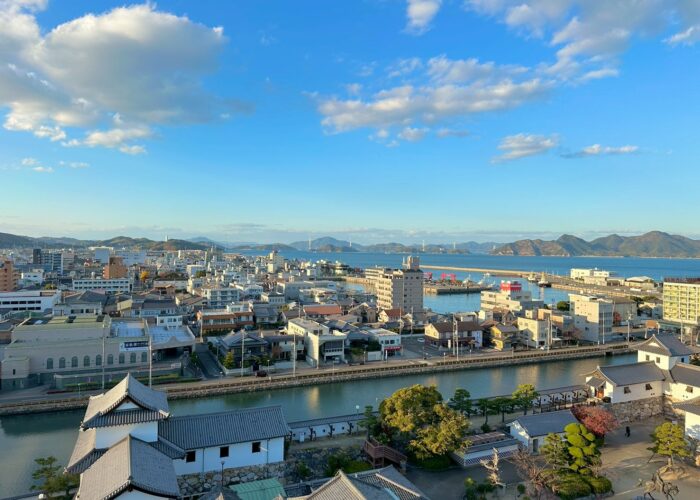
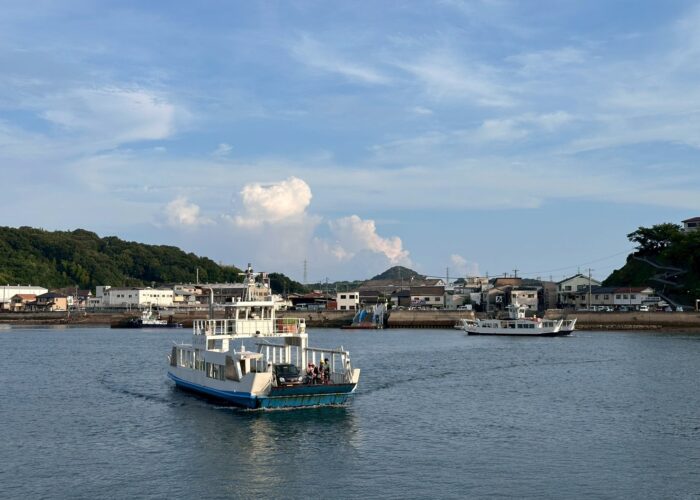
Ehime Prefecture is located on the northwestern part of Shikoku, facing the Seto Inland Sea. The prefecture is renowned for its citrus production, particularly mikan (mandarin oranges), and is one of Japan's leading citrus-growing regions. Its capital, Matsuyama, is home to Dōgo Onsen, one of Japan's oldest hot springs with over 3,000 years of history, which inspired the bathhouse in Studio Ghibli's "Spirited Away." The city also features the impressive Matsuyama Castle, one of Japan's twelve original castles. Ehime is an important part of the Shikoku Ohenro pilgrimage, containing 26 of the 88 temples (Temples No. 40-65), the most of any prefecture on the route. The Shimanami Kaido, a scenic cycling route connecting Shikoku to Honshu via a series of bridges, starts in Ehime and offers spectacular views of the Seto Inland Sea. The prefecture combines coastal beauty, agricultural heritage, historic sites, and spiritual significance.
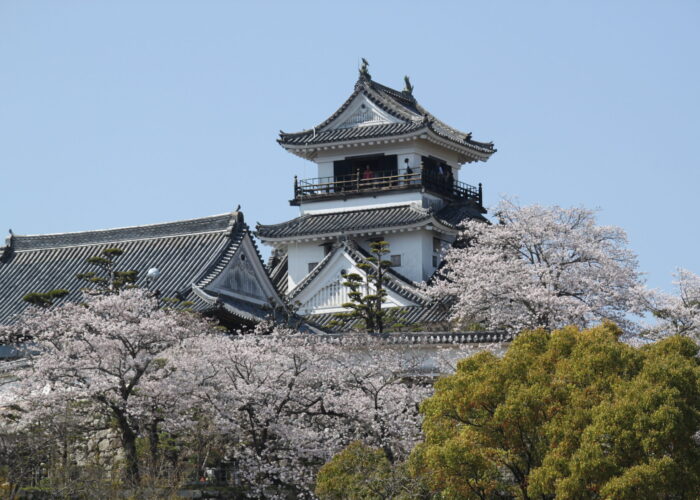
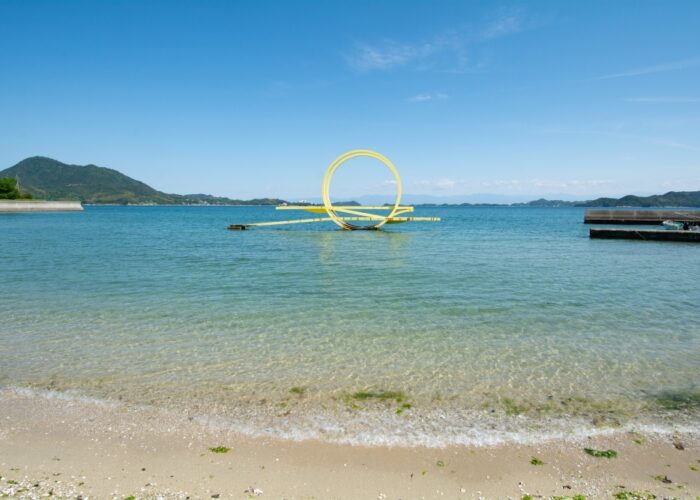
The best time to visit Ehime depends on what you're looking for: Spring (March-May) is often considered ideal, especially early April when cherry blossoms bloom around Matsuyama Castle and throughout the region. The weather is mild and comfortable for sightseeing and cycling the Shimanami Kaido. Autumn (October-November) is another excellent choice, with pleasant temperatures, beautiful fall foliage, and the citrus harvest season beginning. This is a great time to enjoy fresh mikan and explore the countryside. Winter (December-February) can be wonderful for soaking in Dōgo Onsen's hot springs, as the cooler weather makes the warm baths especially appealing. Citrus fruits are at their peak during this season. Winters in Ehime are relatively mild compared to much of Japan. Summer (June-August) can be hot and humid, with June being the rainy season. However, summer is perfect for island hopping and beach activities along the Seto Inland Sea. For most visitors, spring and autumn offer the most comfortable weather and scenic beauty, though each season has its unique appeal in Ehime.
What is the best way to reach Ehime Prefecture?
Here are the main ways to reach Ehime Prefecture: By Air: Matsuyama Airport is the primary gateway, with direct flights from major cities including Tokyo (Haneda), Osaka (Itami), Nagoya, Fukuoka, and others. From the airport, buses connect to the Matsuyama city center in about 15-20 minutes. By Train: From major cities, you can take the Shinkansen to Okayama Station, then transfer to the JR Shiokaze limited express train that crosses the Seto Ohashi Bridge to Matsuyama (about 2.5-3 hours total from Okayama). The entire journey from Tokyo takes roughly 5-6 hours, and from Osaka about 3.5-4 hours. By Bus: Highway buses run from cities like Osaka, Kyoto, and Kobe to Matsuyama, offering a more economical option. The journey is longer (6-8 hours from Osaka) but can be convenient for overnight travel. By Ferry: Ferries connect Ehime to various ports in western Japan. Routes include services from Hiroshima, Kure, and Yanai to ports like Matsuyama and Imabari. This can be a scenic and relaxing option. By Car: The Shimanami Kaido expressway connects Ehime (Imabari) to Hiroshima Prefecture, offering a spectacular drive across multiple bridges and islands. For most international visitors, flying into Matsuyama or taking the train via Okayama tends to be the most convenient option.
Is Ehime easy to go around?
Ehime is moderately easy to get around, though it depends on where you want to go: In Matsuyama City: Very easy. The city has an excellent tram (streetcar) network that connects major attractions like Dōgo Onsen, Matsuyama Castle, and the shopping districts. Trams are affordable, frequent, and tourist-friendly. You can also rent bicycles or walk to many spots. Between Cities and Towns: Trains and buses connect major destinations, but service can be less frequent in rural areas. The JR Yosan Line runs along the coast connecting cities like Matsuyama, Imabari, and Uwajima. Having a rail pass can be helpful if you're doing extensive travel. Rural and Mountain Areas: More challenging without a car. Public transportation to places like remote temple sites or rural onsen can be limited or infrequent. Renting a car gives you much more flexibility for exploring at your own pace. Shimanami Kaido: Exceptionally well-designed for cyclists with dedicated bike lanes and rental systems that let you pick up and drop off bikes at different islands. It's one of the most accessible long-distance cycling routes in Japan. For Pilgrims: The Ohenro pilgrimage temples in Ehime can be visited by bus tours, taxi, car rental, bicycle, or on foot, depending on your preference and budget. Overall, Matsuyama itself is very accessible, but having a car opens up much more of the prefecture, especially for temple visits and rural attractions.
What are the best recommended places to visit in Ehime Prefecture?
Here are the best recommended places to visit in Ehime Prefecture: Matsuyama City: Dōgo Onsen Honkan is a must-visit—this historic bathhouse with its distinctive architecture offers an authentic onsen experience. Matsuyama Castle, perched on a hill overlooking the city, provides stunning views and is one of Japan's best-preserved original castles. The castle grounds are beautiful during cherry blossom season. Shimanami Kaido: This 70-kilometer cycling route connecting six islands between Ehime and Hiroshima is considered one of the world's best cycling experiences. Even if you're not cycling the entire route, visiting some of the islands like Ōshima or stopping at scenic viewpoints is worthwhile. Ishite-ji Temple: Temple No. 51 on the Shikoku pilgrimage in Matsuyama is architecturally stunning with its pagoda, cave passages, and atmospheric grounds. It's easily accessible and gives you a taste of the pilgrimage experience. Uwajima: This southern city offers Uwajima Castle, fresh seafood, and the unique Taga-jinja fertility shrine. The area is also known for tai-meshi (sea bream rice) and bullfighting traditions. Uchiko: This beautifully preserved merchant town showcases traditional Edo-period architecture with historic houses, a kabuki theater, and wax museums reflecting the town's historical candle-making industry. Imabari: Famous for its high-quality towels, you can visit the towel museums and factories. It's also the Shikoku starting point of the Shimanami Kaido. These spots offer a good mix of history, culture, nature, and unique local experiences.